
June is one of the busiest and most rewarding months in the garden. Warmer temperatures, longer days, and plenty of sunshine help flowers bloom and vegetable gardens thrive. But along with all that growth comes weeds, thirsty plants, and those pesky insects that seem determined to enjoy your garden as much as you do.
At Marshall County Co-op, we know that successful gardening starts with preparation, maintenance, and having the right supplies on hand. Whether you’re growing vegetables, flowers, herbs, or maintaining landscaping around your property, these June gardening tips can help keep your garden healthy and productive all season long.
15 Gardening Tips for June:
1. Water Deeply and Early
June heat can dry out soil quickly. Water your garden early in the morning so plants can absorb moisture before the hottest part of the day. Deep watering encourages stronger root growth.
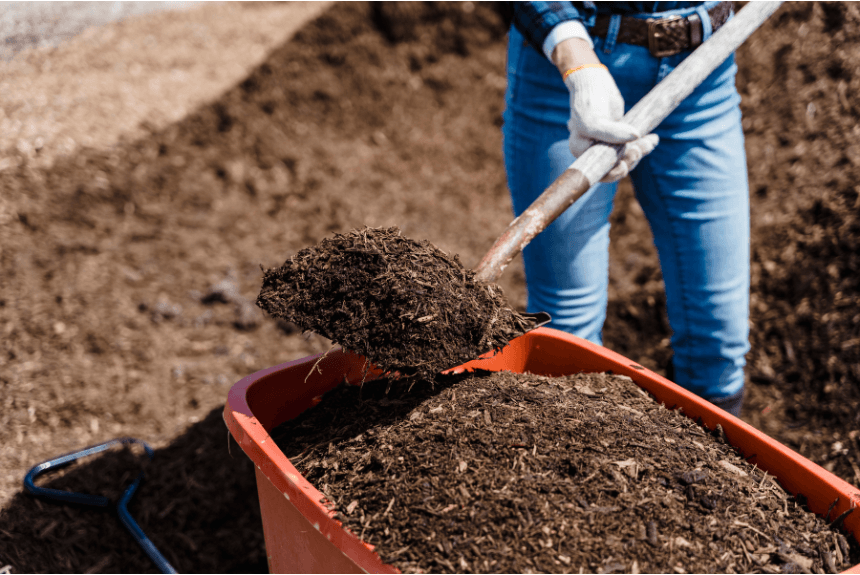
2. Add Mulch Around Plants
Mulch helps retain moisture, keeps weeds down, and protects roots from extreme temperatures. Straw is especially popular for vegetable gardens because it naturally breaks down over time and helps improve soil quality.
3. Keep Up with Weeding
Weeds compete with your plants for water and nutrients. Pull weeds regularly before they spread seeds and become harder to manage.
4. Feed Your Plants
Many vegetables and flowering plants benefit from fertilizer during peak growing season. Healthy plants are often more resistant to insects and disease.
5. Support Tall Plants Early
Tomatoes, peppers, cucumbers, and climbing flowers may need cages, stakes, or fencing for support. Installing supports early prevents damage later.
6. Watch for Signs of Disease
Yellowing leaves, spots, wilting, or mold can signal plant disease. Catching problems early can prevent them from spreading through the garden.
7. Harvest Frequently
Picking vegetables regularly encourages many plants to continue producing throughout the season.
8. Thin Overcrowded Plants
Plants packed too closely together may struggle to get enough sunlight and airflow. Proper spacing helps reduce disease and improves growth.
9. Deadhead Flowers
Removing faded blooms helps flowering plants continue producing new flowers and keeps gardens looking fresh.
10. Check Soil Moisture Daily
Containers and raised beds can dry out faster than traditional gardens. During hot June days, some may require watering every day.
11. Rotate Crops When Possible
Avoid planting the same vegetables in the exact same location year after year to help reduce soil diseases and pest problems.
12. Inspect Plants Often
Take a few minutes every day to look underneath leaves and around stems. Early insect detection can save plants from serious damage.
13. Protect Young Plants
Newly planted vegetables and flowers can be sensitive to heat and insects. Row covers or lightweight netting may help during extreme conditions.
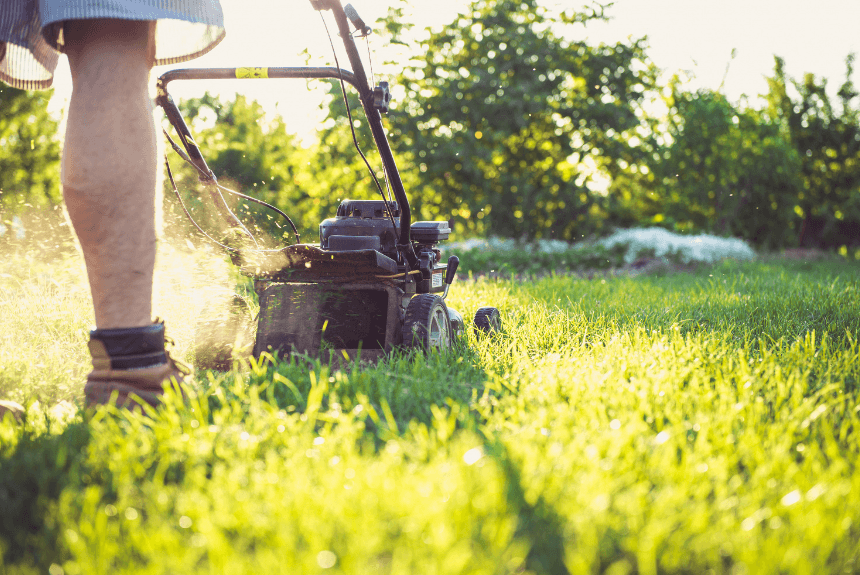
14. Mow Around Garden Areas
Keeping grass trimmed around gardens can help reduce insects, rodents, and hiding places for pests.
15. Prepare for Summer Heat
As temperatures continue to rise, be ready to increase watering schedules and provide shade protection for delicate plants if needed.
Marshall County Co-op Is Ready for Gardening Season
Whether you are caring for a backyard vegetable garden, flower beds, landscaping, or larger agricultural projects, Marshall County Co-op has supplies to help you through the growing season.
From straw and fencing products to gardening essentials and agricultural supplies, the Co-op is proud to support local gardeners, farmers, and landowners throughout the region.
June is the perfect time to enjoy the rewards of gardening – and with a little preparation and regular maintenance, your garden can continue thriving all summer long.